.png)
That piece was centered on Wang Yi (王怡), the fiery, charismatic pastor of the Early Rain Reformed Church in Chengdu. In 2018 he was arrested and sentenced to 9 years. The CCP is terrified of religious organizations, which hosted libraries, seminaries and other forms of association, a form of civil society that exists independent of government control.
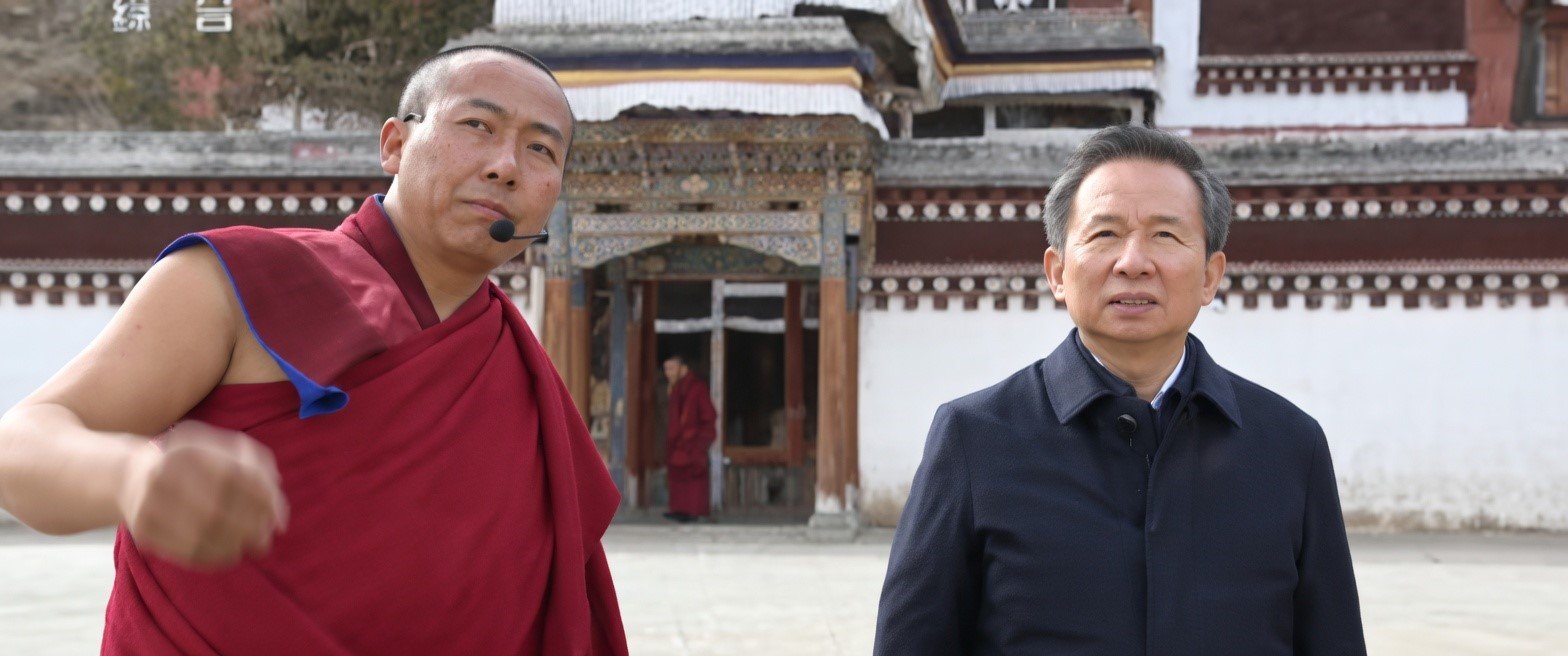
Other forms of religion face the same restrictions. The officially atheist CCP appoints bishops for the Catholic Church with little regard for Vatican approval. In October last year, for example, the party appointed a new Bishop of Shanghai, Joseph Wu Jianlin, on behalf of the state-controlled Catholic Church. The CCP is also struggling to appoint the successor to the Dalai Lama. The Party’s repression of Islam in Xinjiang and elsewhere is well known. The Mormon Church is officially banned in China as of last year.
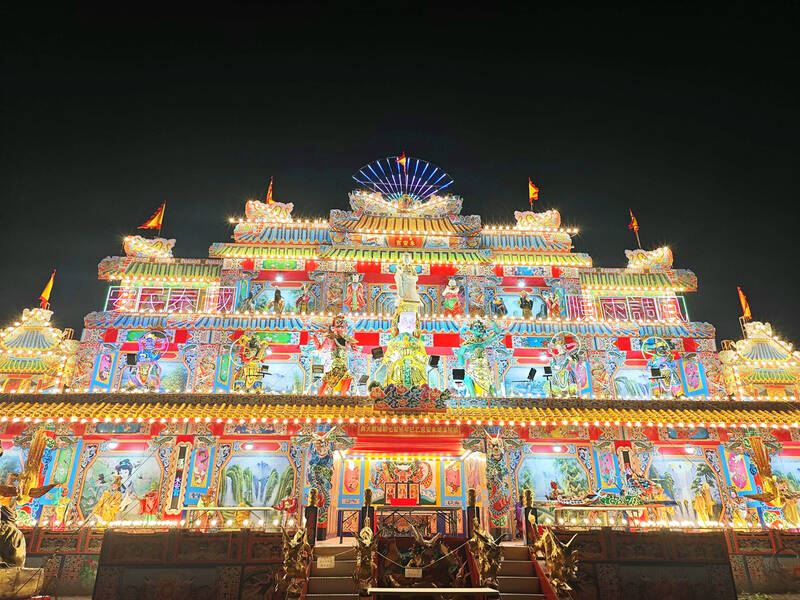
Photo: Chen Kuan-pei, Taipei Times.
Although good survey data is lacking, in my experience the public seems to be quite complacent about a future when Taiwan is occupied by the PRC, viewing it as a period of likely inconvenience followed by the restoration of normalcy. Yet civil and social organizations like religion are a massive part of the social landscape. How will they function under PRC occupation? The PRC has already signaled this.
It’s not just religion. Taiwan has large numbers of environmental organizations. Local history associations. Various “Self-help Associations” and similar that work on local issues, many of them opposed to corporate resource extraction and government “development” programs. Taiwan hosts numerous national-level foundations working on political social issues, from public health to child abuse to education and migrant workers. NGOs abound. All of those will be bent to the will of the CCP or outright hollowed out and destroyed, should Taiwan be occupied.
When discussing the occupation of Taiwan we often stress its history of revolt and rebellion. Armed revolt makes exciting reading and interesting fantasies (arm a million Taiwanese!), but Taiwan also has a long and deep history of organized agitation for social change and autonomy. In that light, armed revolt is merely the violent manifestation of deeper local social organization.
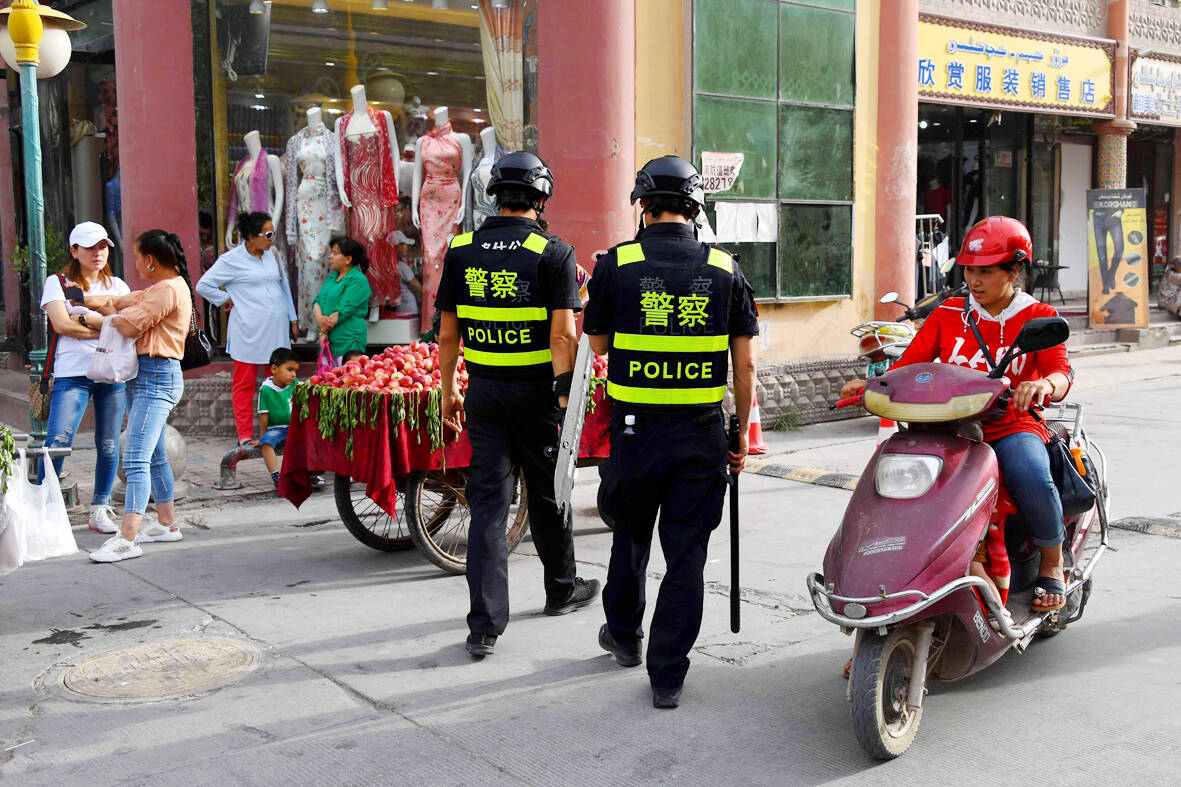
Photo: AFP
A-chin Hsaiu (蕭阿勤), in an excellent paper on how Taiwan independence activists constructed the modern narrative of Taiwaneseness and Taiwanese history, instanced a presentation by then-dangwai (黨外, “outside the party”) legislator Kang Ning-hsiang (康寧祥) in an interpellation in March of 1975. Kang listed “the history of the Petition Movement for the Establishment of the Taiwan Council (1921–1934), the Taiwan Cultural Association (1921–1931), the Taiwan People’s Party (1927–1931) and the Taiwan Local Self-Government League (1930–1937)” as organizations that had resisted Japanese rule.
A classic article by Edgar Wickberg chronicles peasant movements during the 1920s and early 1930s. Wickberg observes that the spasmodic revolts and rebellions in early years of Japanese rule soon gave way to “a relatively well organized political movement, led by Taiwanese professionals (physicians, lawyers and teachers) and by intellectuals, some of whom had been to Japan, and supported by sympathetic Japanese in Japan and Taiwan.”
The peasant movement, he writes, arose in response to land tenure and tenancy issues, the marketing of produce and sales of lands — opened by Taiwanese farmers who had no title but tradition — to retiring government officials, who were Japanese.
Many of the concrete problems that drove Taiwanese resistance to the Japanese will reappear under PRC occupation. For example, Wickberg describes how in 1910 the colonial government began selling (or renting) thousands of acres of bamboo forest in Taichung and Tainan to Mitsubishi for making paper. Those lands had long been used by locals, who did not have clear title to them. Local opposition appeared instantly, and blew up again in the 1920s.
Again, in 1924 the colonial government decided to sell off government lands to Japanese officials. Some 9,500 acres were involved, all of which were occupied by “squatters,” largely in Taichung, Tainan and Kaohsiung. Years of conflict followed. In each of those cases a Taiwan-wide farmers’ association became involved, in addition to local organizations.
The PRC will likely reorganize land titles and land ownership in an occupation. Fixed assets such as lands and buildings belonging to social and religious organizations will likely be confiscated or destroyed, except for a handful that have maintained good relations with the CCP.
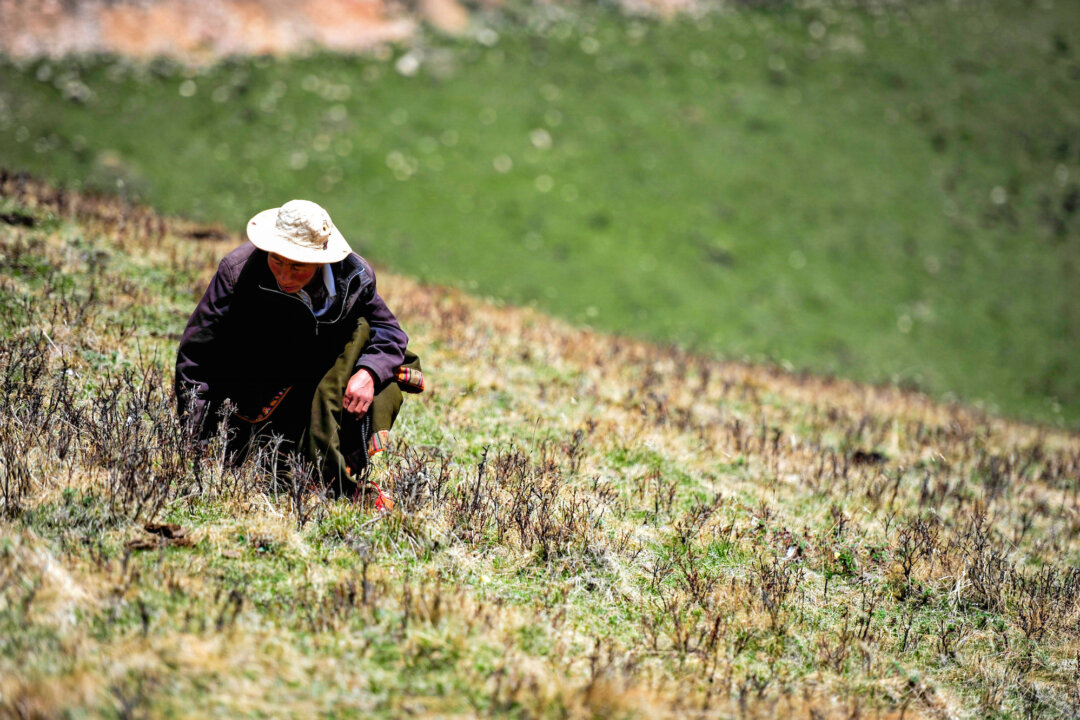
“Government land” — think about indigenous land, which is often classified as “public land” — will be taken by the CCP. In Tibet the PRC government confiscated lands belonging to monasteries, and PRC land reforms and collectivization of land and property helped provoke the 1956 revolt that led the Dalai Lama to flee Tibet in 1959. The Tibetan government in exile later argued that the PRC had deliberately provoked a revolt so that it could suppress it and reorder society. Shades of the violent 228 Incident in Taiwan?
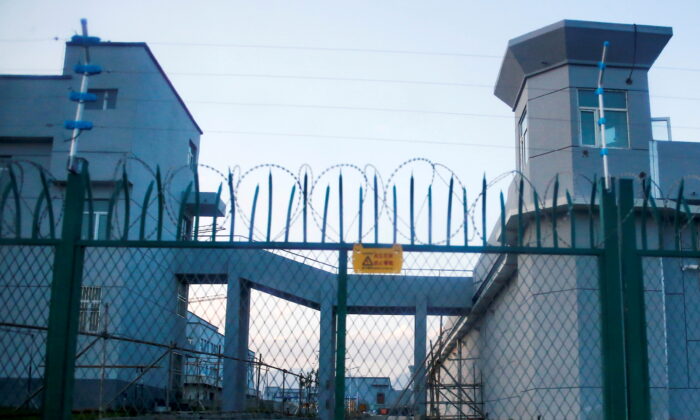
Similarly, in East Turkestan — Xinjiang as the PRC calls it — thousands of mosques have been destroyed and religious organizations tightly controlled. Oppression there, along with the state policy to flood the region with Chinese, has triggered violent revolts against PRC rule. To suppress it, the CCP has continued its policy of moving Han into the region, after 2014, flooding it with over 200,000 cadres, and after 2016, flooding it with police. The area’s population is over 25 million, comparable to Taiwan. Like Taiwan, its history of violent opposition to imperial rule extends back into the Manchu (Qing) era.
It’s not just armed revolt that the PRC fears in occupying Taiwan, but this long history of resistance through organization. Taiwan’s ability to organize itself is likely a major deterrent to PRC occupation, and will be a major drag on its ability to disengage its military from Taiwan. Both Tibet and East Turkestan have required large investments of police, troops and cadres, as well as official attention.
The flip side of this observation is a potent talking point for the pro-Taiwan side: social freedom, especially religious freedom, will cease to exist if the PRC occupies Taiwan. Land titles — think of all the elderly in Taiwan who are property owners — will be threatened by various “reforms.” Religious lands will be confiscated, religious structures rendered hollow or destroyed completely.
It’s time for us to talk more about what kind of future Taiwan can envision under PRC rule.
Notes from Central Taiwan is a column written by long-term resident Michael Turton, who provides incisive commentary informed by three decades of living in and writing about his adoptive country. The views expressed here are his own.



 (1).jpg)
 (1).jpg)
 (1).jpg)
 (1).jpg)
 (1).jpg)